Portfolio Showcase
Discover diverse greenhouse design approaches categorized by aesthetic vibe
Explore Our Design Collections
Our portfolio is organized by aesthetic direction, showcasing how different approaches create unique environments
The Minimalist Zen Garden
A serene approach focusing on simplicity, negative space, and carefully curated plant selections
Design Principles
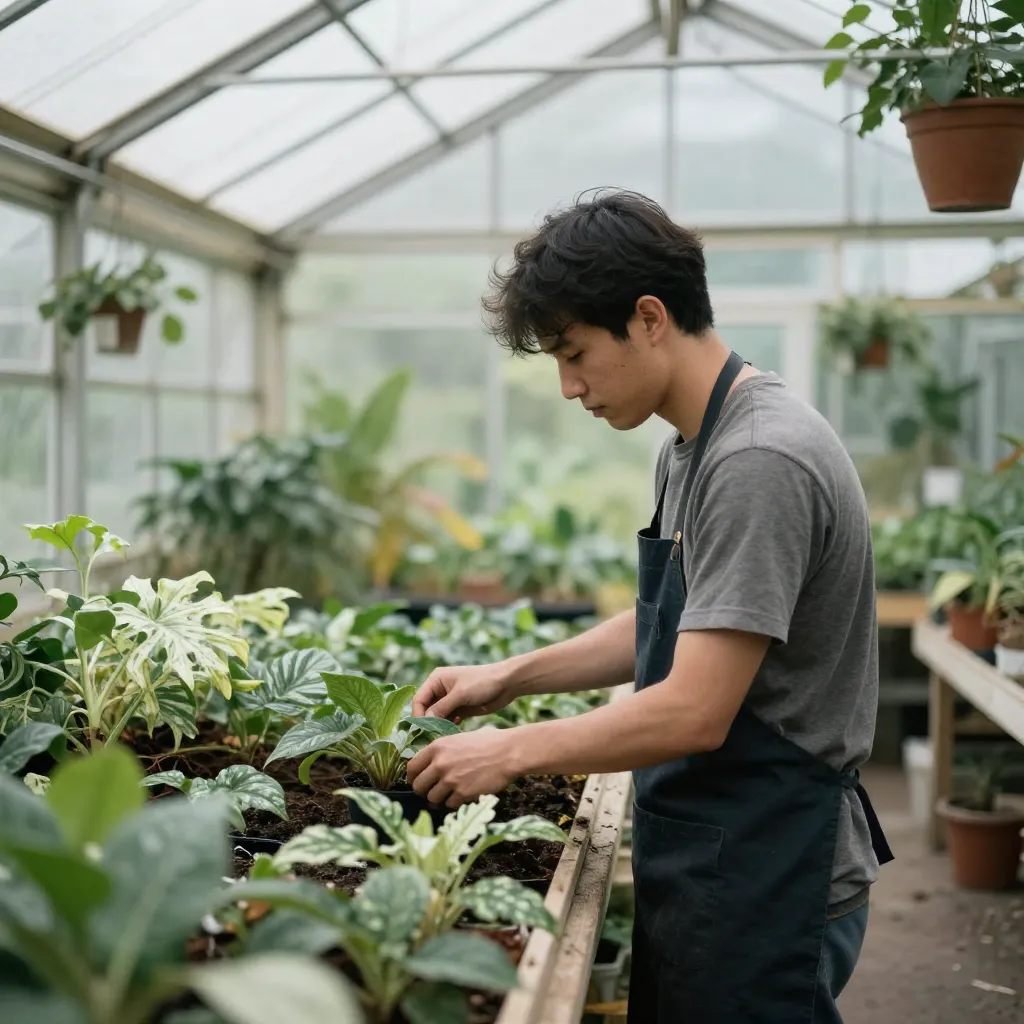
The minimalist approach emphasizes quality over quantity. Each plant is selected for its form, texture, and contribution to the overall composition. Negative space is as important as the plants themselves, creating breathing room and visual rest.
Lighting in these spaces tends to be soft and diffused, avoiding harsh shadows. Natural materials like stone, wood, and simple containers complement the botanical elements without competing for attention.
The Tropical Jungle
Lush, vibrant environments that celebrate plant diversity and natural abundance
Design Philosophy
Tropical jungle designs embrace density and variety. Multiple plant layers create depth, with taller specimens providing canopy-like coverage and smaller plants filling the understory. This approach mimics natural forest ecosystems.
Humidity and warmth are key considerations, often supported by automated misting systems. The lighting strategy emphasizes bright, filtered light that simulates dappled sunlight through forest canopies.
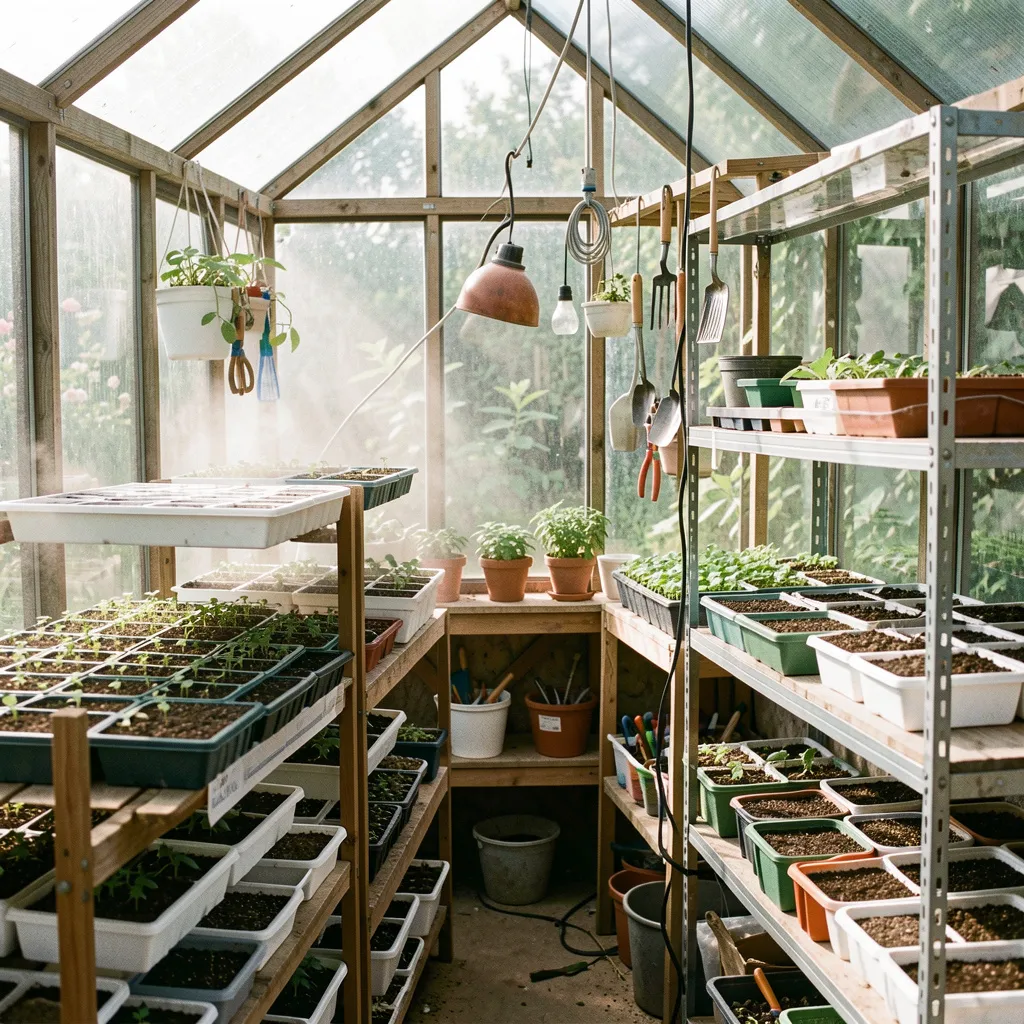
The Mediterranean Citrus Room
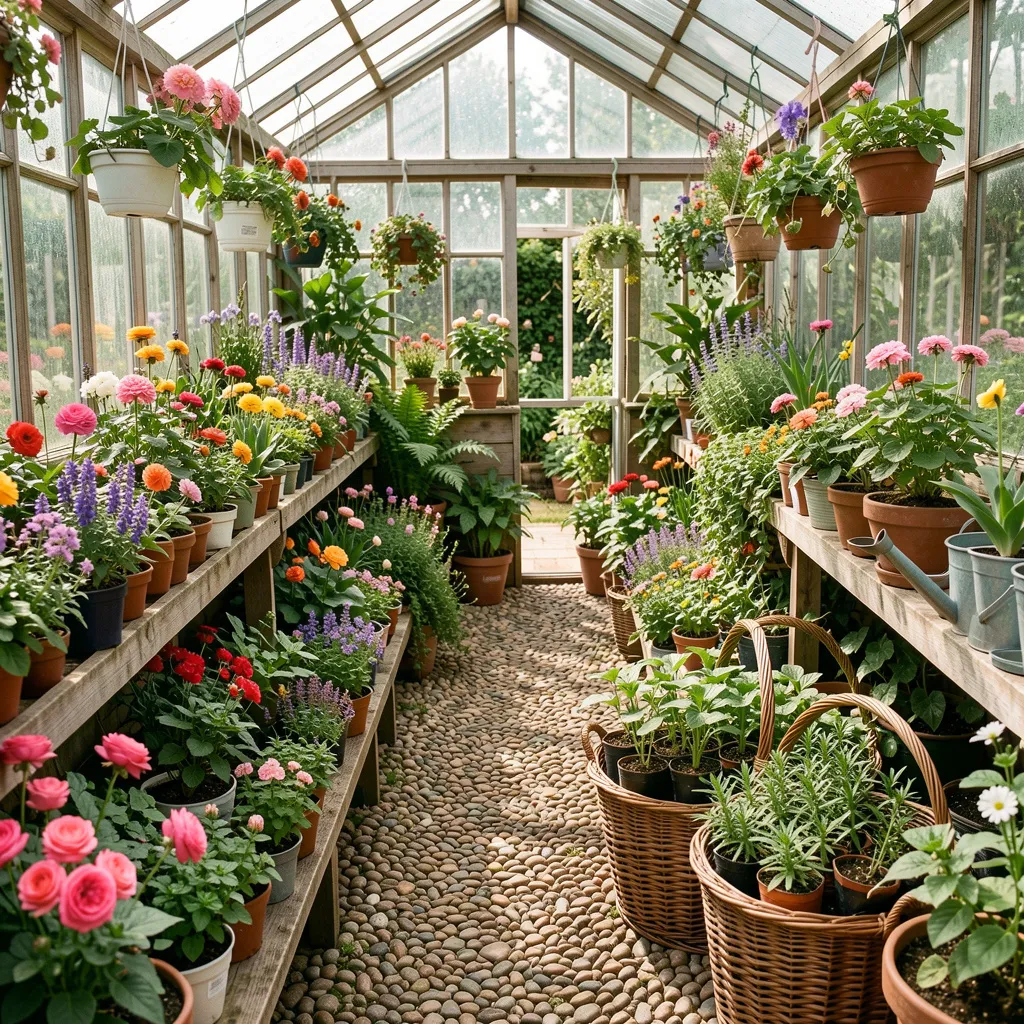
Bright, airy spaces inspired by Mediterranean gardens with citrus trees and aromatic herbs
Key Characteristics
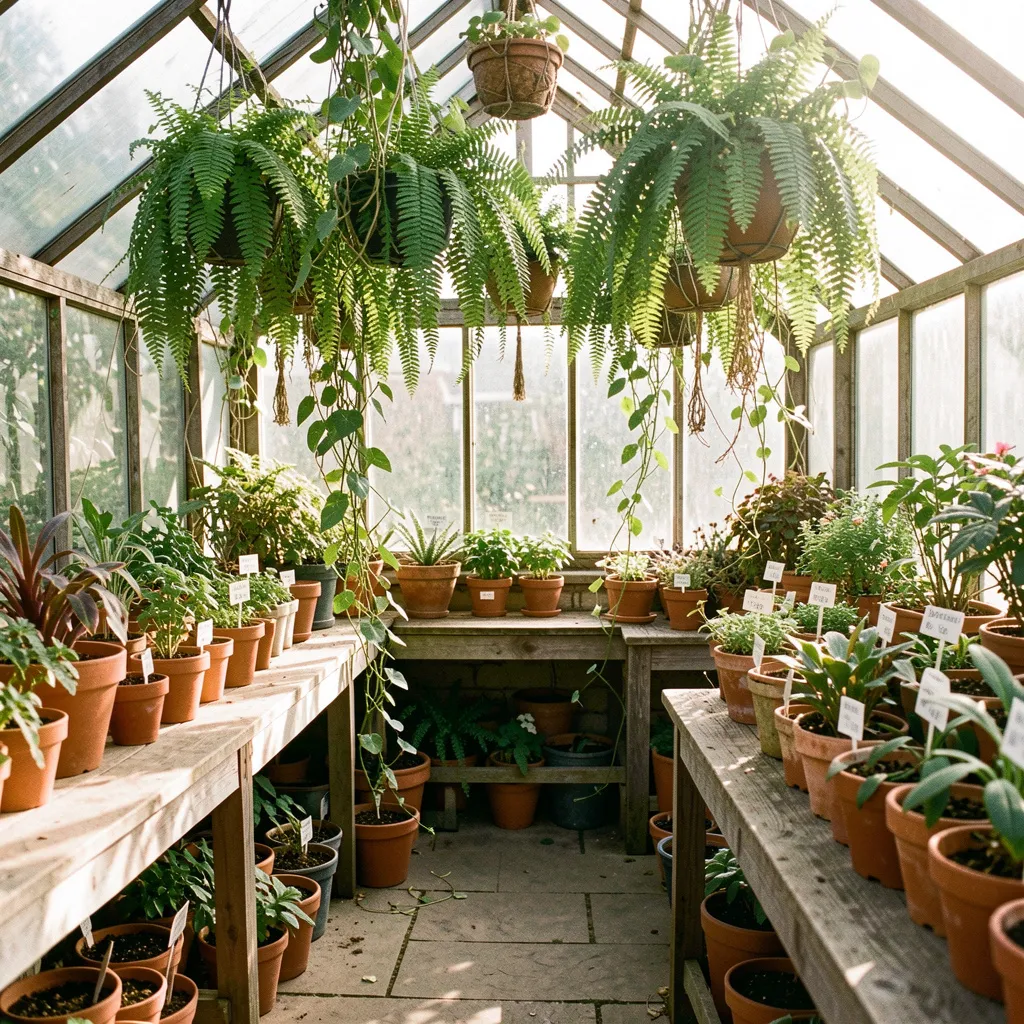
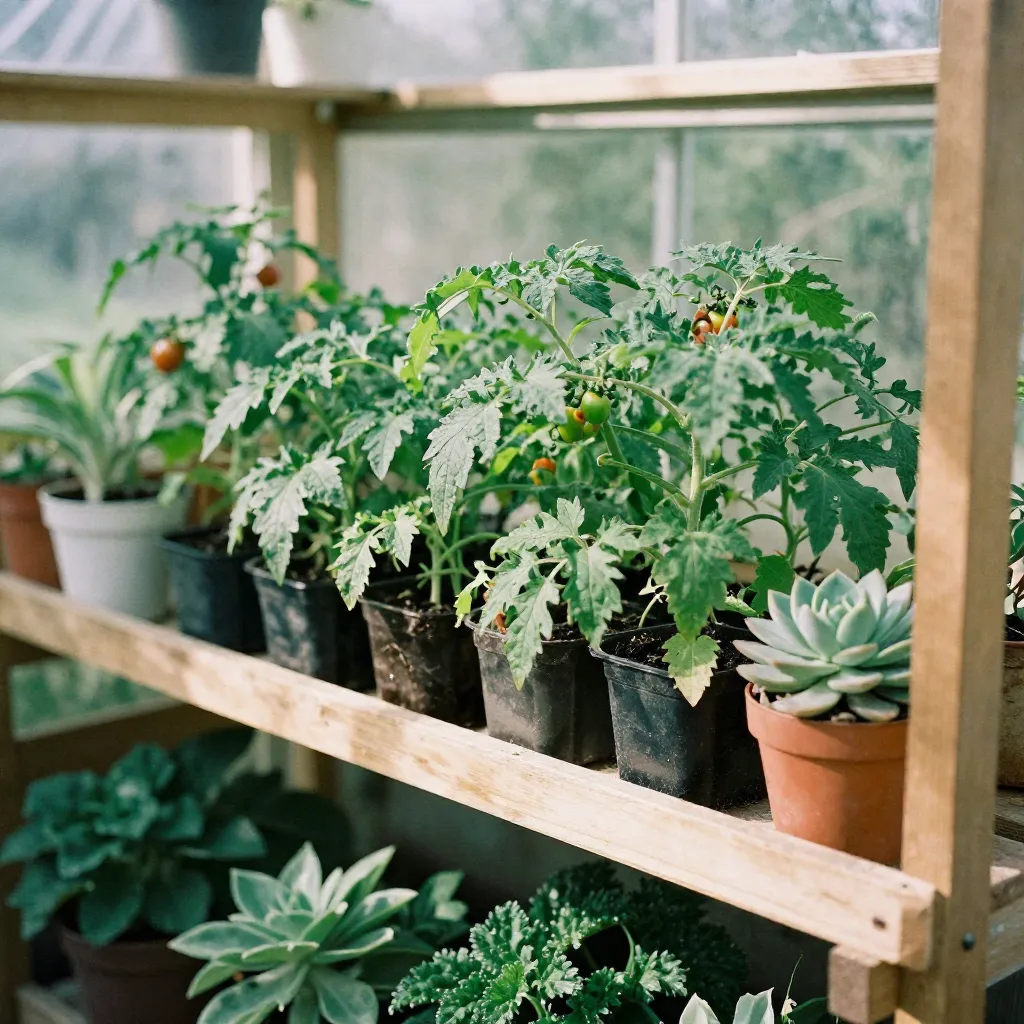
Mediterranean designs prioritize bright, direct light and excellent air circulation. Citrus trees serve as focal points, while herbs and smaller flowering plants add texture and fragrance.
These spaces often feature terracotta containers, stone surfaces, and warm color palettes that complement the golden light. The overall feeling is one of abundance and warmth, reminiscent of sun-drenched Mediterranean gardens.
Temperature management is important, as these plants appreciate warmth during the day but benefit from cooler nights. Smart climate systems help maintain these conditions automatically.
Understanding Day vs. Night Lighting
Lighting dramatically transforms greenhouse spaces, affecting both aesthetics and plant health
Daytime Lighting
Natural sunlight provides the full spectrum of light that plants need for photosynthesis. Our designs maximize natural light while protecting plants from excessive heat or UV damage.
Supplemental artificial lighting can extend daylight hours or provide additional intensity in spaces with limited natural light access.
Evening Lighting
Evening lighting serves both functional and aesthetic purposes. Specialized grow lights can continue to support plant growth, while ambient lighting creates beautiful nighttime displays.
LED systems allow for precise control of light spectrum and intensity, enabling optimal conditions for different plant types throughout the day and night cycles.
Ready to Create Your Own?
Let's discuss how we can bring your vision to life